
Construction Accident Lawyer: Evidence Handling
Evidence handling governs the credibility of a construction accident claim, especially in OSHA violations disputes. Immediate preservation reduces spoliation risk and protects admissibility.
Evidence handling protocol:
Send preservation letters to contractors, owners, and equipment custodians Secure scene photos, drone images, and site access logs Request OSHA inspection files and citation records Collect device data, lift logs, and scaffold inspection tags Obtain medical records, imaging, and therapy documentation
Construction Accident Lawyer: Evidence Types and Preservation Steps
Each evidence type should be tracked with purpose, custodian, and preservation action.
- OSHA citations: safety standard violations; request the full citation file from OSHA and employers.
- Scaffold inspection tags: condition and frequency; photograph and log timestamps.
- Fall protection plans: site safety compliance; preserve the written plan and training logs.
- Equipment manuals: design and warnings; secure full manuals and revisions from manufacturers.
- Incident reports: immediate facts and witnesses; obtain signed reports from the employer and general contractor.
- Medical imaging: injury causation; request DICOM files and metadata from hospitals and clinics.
Construction Accident Lawyer: OSHA File Access Steps
OSHA file access supports litigation readiness and expert review.
Identify inspection number and compliance officer Request the complete case file, including photos and sampling Preserve citation notices, abatement documents, and employer responses Index findings by standard number and alleged violation type
Chain-of-custody logs and secure evidence storage provide defense against tampering claims. A clear evidence index supports expert analysis and mediation readiness.
Construction Accident Lawyer: Insurance Structure
Construction claims involve complex insurance layering. Coverage mapping is essential for settlement planning, especially where multiple contractors and policy tiers exist.
Coverage map checklist:
- Employer workers compensation coverage
- General liability policies for contractors and subs
- Additional insured endorsements and tender letters
- Excess insurance and umbrella layers tied to project requirements
- Wrap-up insurance such as OCIP or CCIP
Policy disputes often center on exclusions, additional insured scope, and exhaustion triggers. Lien and reimbursement interests from workers compensation, Medicare, and Medicaid affect net recovery. The JusticeFinder workers compensation guide at USA.gov Legal Aid details common lien audit and offset issues.
Construction Accident Lawyer: Damages Valuation
Damages valuation integrates medical evidence, wage history, and life-impact analysis. A construction accident claim often includes high-cost future care and long-term income loss.
Future care planning draws from treating provider notes, rehabilitation assessments, and durable medical equipment schedules. A well-built plan links each care item to a diagnosis, frequency, and replacement cycle. That linkage protects the demand package from challenges that allege speculative costs.
Valuation framework:
Confirm injury diagnosis and prognosis from treating records Build functional limitations profile and work restrictions Itemize future medical care and assistive technology Price care items using regional cost data Model wage loss and earning capacity reduction Calculate present-value totals using accepted methods Reconcile totals with policy limits and comparative fault
Construction Accident Lawyer: Damages Categories and Documentation
Damages categories should be aligned to records and expert support.
- Past medical expenses: bills and CPT codes supported by itemized billing and provider records.
- Future medical care: treatment plan and care schedule supported by life care plan input.
- Lost wages: payroll and tax records supported by employer verification.
- Loss of earning capacity: vocational report and labor data supported by vocational expert analysis.
- Non-economic damages: pain and loss of function supported by consistent narrative and treatment history.
- Household services: replacement cost supported by care logs and estimates.
For structured settlement considerations and claim valuation baselines, the JusticeFinder injury lawsuit process guide at USA.gov Legal Aid outlines typical sequencing and proof requirements.
Construction Accident Lawyer: Procedure Timeline
Construction claims proceed through predictable phases, with timeline length influenced by medical stability, discovery scope, and expert availability.
Timeline phases and focus:
- Intake and preservation: evidence retention through notices, record requests, and site photos.
- Investigation: liability mapping through OSHA file review and witness interviews.
- Pre-suit valuation: damages modeling through care plan development, wage loss analysis, and lien audit.
- Filing and pleadings: issue framing through complaint drafting, answers, and motions.
- Discovery: proof development through depositions and expert reports.
- Resolution: settlement negotiation through mediation and settlement conferences.
- Trial preparation: adjudication through motions in limine and exhibit lists.
Construction Accident Lawyer: Decision Tree for Evaluation
Use this decision tree to structure case screening and settlement readiness.
Start
│
├─ OSHA violation documented?
│ ├─ Yes → Tie violation to injury mechanism
│ └─ No → Build duty case from contracts and site control
│
├─ Third-party exposure identified?
│ ├─ Yes → Map policies and indemnity clauses
│ └─ No → Evaluate workers compensation path only
│
├─ Medical condition stable for projection?
│ ├─ Yes → Finalize care plan and economic analysis
│ └─ No → Schedule updated evaluations and reserve valuation
│
├─ Evidence chain complete?
│ ├─ Yes → Prepare mediation package
│ └─ No → Complete custody logs and missing records
│
└─ Liens identified and quantified?
 ├─ Yes → Build net recovery model
 └─ No → Finish lien audit and agency notice steps
Construction Accident Lawyer: Frequently Asked Questions
Summary
Construction Accident Lawyer guide covering OSHA violations, scaffolding, fall protection, evidence, insurance, damages, and U.S. procedure. Read our compreh...
Quick Legal Answer: What this guide covers
Construction Accident Lawyer guide covering OSHA violations, scaffolding, fall protection, evidence, insurance, damages, and U.S. procedure. Read our compreh...
Quick Legal Answer: Core legal focus
This guide focuses on Construction Accident Lawyer within legal process and the evidence, timelines, and standards typically evaluated under U.S. law.
Quick Legal Answer: When to verify with counsel
Because statutes and rules vary by state, confirm the specifics for your jurisdiction with a qualified attorney or official government resources.
Key Takeaways
- Understand the core rules and evidence standards tied to Construction Accident Lawyer.
- Track deadlines and procedural steps that shape recovery options.
- Document medical records, liability proof, and insurance communications early.
- Compare settlement posture with litigation risk based on the case record.
Construction Accident Lawyer: Final Checklist for Claims
- OSHA citations and inspection files obtained and indexed
- Contracts reviewed for control, indemnity, and insurance duties
- Scene documentation preserved with timestamps and chain logs
- Medical records complete with imaging and operative notes
- Life care plan and vocational report finalized
- Economic loss model completed and reconciled
- Policy layers and additional insured status confirmed
- Liens audited for workers compensation and public benefits
- Comparative fault analysis documented with site evidence
- Mediation package includes evidence index and damages summary
Practical Example
Example: A workplace-injury third-party claim can run alongside workers' compensation, with lien rules and subrogation statutes controlling recovery.
Legal References
Related Resource: Structured Settlements vs. Lump Sum: Tax Advantages & Financial Planning
Related Resources
For broader context, review the Legal Process hub.
Related Guides
- Birth Injury Lawyer: Cerebral Palsy & Medical Malpractice Guide
- Can I Sue After Workers Compensation? Third-Party Liability Explained
- Catastrophic Injury Settlements: Life Care Plans & Million-Dollar Claims
Pillar guide: Contingency Fee Agreements: 33-40% Standard & Hidden Costs
Helpful Tool
Use the Accident Claim Deadline and Calendar Tracker Google Sheets to organize documentation, expenses, and insurance claim records while applying this guide.
More Legal Process Guides
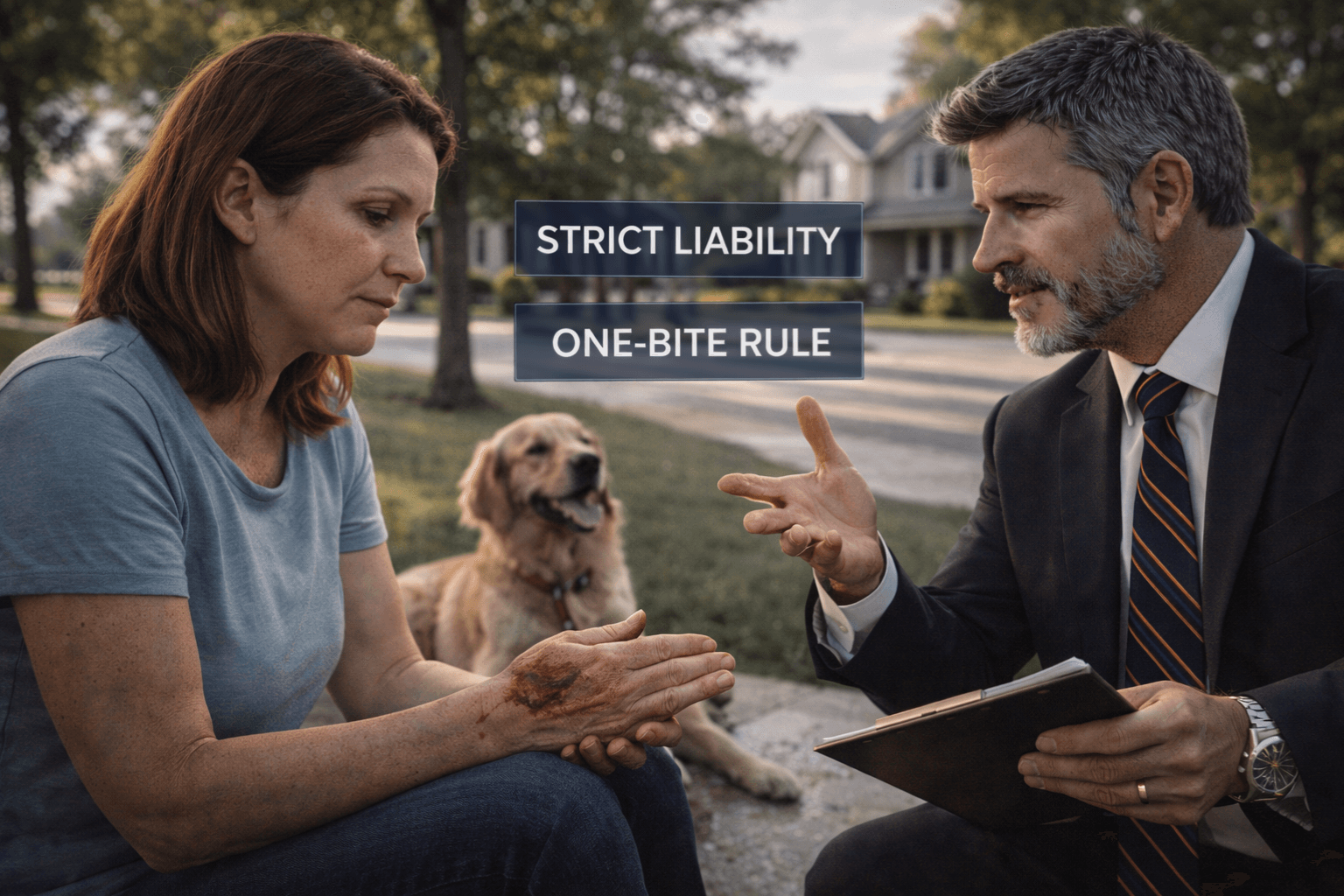
Dog Bite Lawyer: Strict Liability vs One-Bite Rule by State
Understand dog bite laws across the U.S. Comparison of strict liability vs. the one-bite rule and how to navigate animal attack insurance claims. Read our co...

Can I Sue After Workers Compensation? Third-Party Liability Explained
Can I Sue After Workers Compensation guide for third-party liability, covering U.S. exclusivity rules, evidence, insurance, and damages strategy. Read our co...
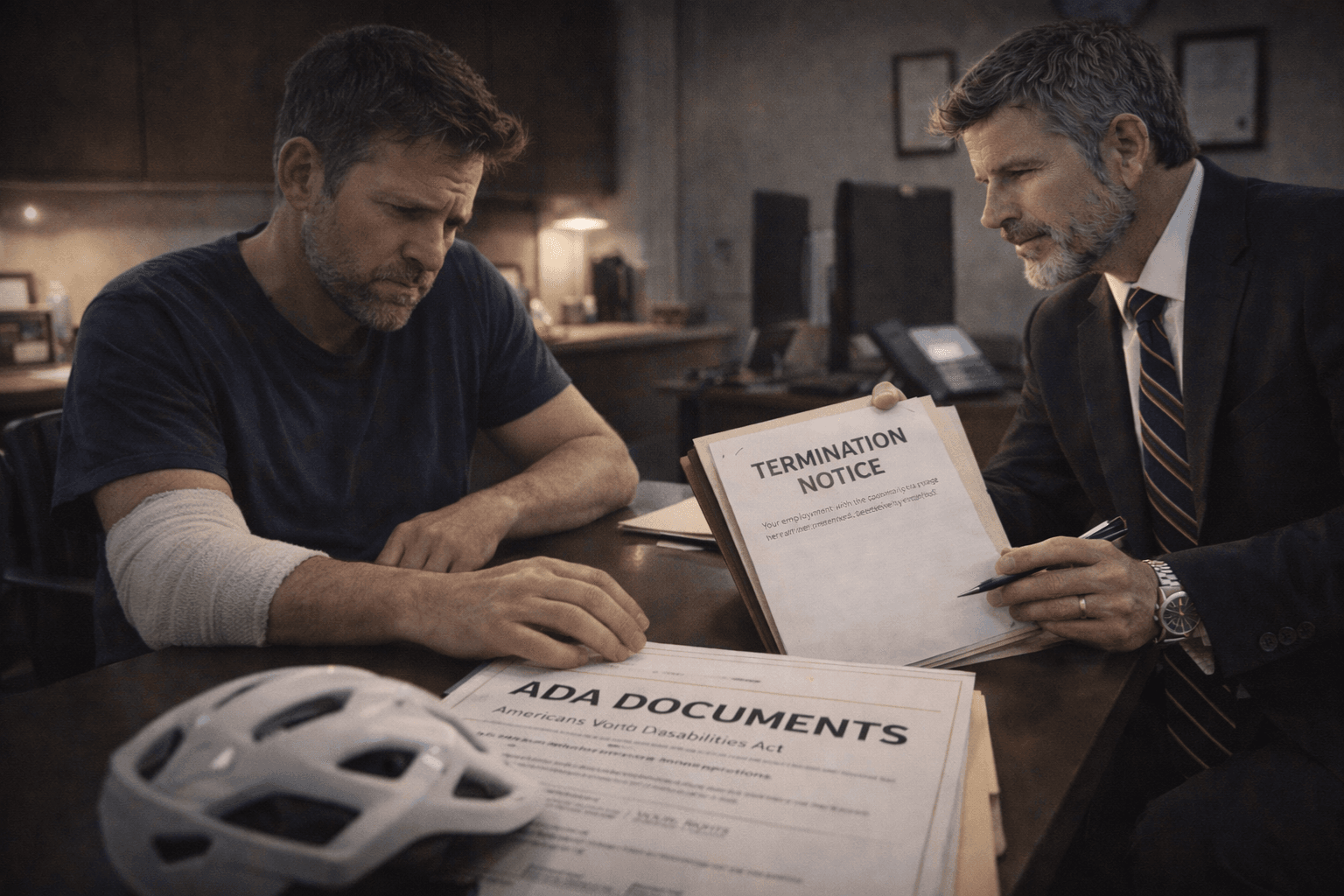
Wrongful Termination After Injury: ADA & FMLA Retaliation Claims
Authority guide to Wrongful Termination After Injury under U.S. law, focused on ADA interactive process and FMLA retaliation evidence. Read our comprehensive...

Social Security Disability After Injury: Application & Appeals Guide
Authority guide to Social Security Disability after injury under U.S. law, focused on SSDI requirements, RFC assessments, and the 5-step evaluation. Read our...

Post-Trial Motions & Appeals: Protecting Your Verdict
Authority guide to Post-Trial Motions & Appeals: Protecting Your Verdict, focused on U.S. trial records, preservation, and appellate procedure. Read our comp...

Nursing Home Abuse Lawyer: Bedsores, Falls & Neglect Claims
Nursing Home Abuse Lawyer guide covering U.S. liability proof, evidence, insurance, damages valuation, and procedure timelines for bedsores, falls, and neglect.
Related Documentation Tools
View all toolsThese free spreadsheets help organize evidence, deadlines, and claim documentation for this topic.
Personal Injury Statute of Limitations Tracker Google Sheets
Keep legal timing visible so filing and response windows are not missed with Claim Overview and State SOL Reference before you share records with an insurer or attorney.
Personal Injury Expense and Damages Tracker Google Sheets
Track income disruption with records adjusters and attorneys can review quickly with Claim Overview and Economic Damages before you share records with an insurer or attorney.
Personal Injury Case Preparation Checklist Google Sheets
Build a timestamped evidence file that keeps facts consistent with Case Overview and Case Checklist before you share records with an insurer or attorney.
Settlement Demand Letter Organizer Google Sheets
Estimate negotiable case value and keep damages evidence aligned with Claim Overview and Economic Damages before you share records with an insurer or attorney.