Research Collective
Truck Accident Legal Guides & FMCSA Resources
Authoritative resources focused on FMCSA rules, evidence preservation, liability mapping, and commercial insurance coverage in the United States.
20 Specialized Guides
Evidence-First Analysis
Zero Commercial Bias
Commercial truck crashes require a specialized evidence and regulatory framework. The Federal Motor Carrier Safety Administration (FMCSA) sets nationwide standards for driver qualifications, hours of service, maintenance, and cargo securement. When a crash occurs, liability analysis must consider these federal duties alongside state negligence rules.
Our research collection organizes truck accident content into pillar, service, and supporting guides. You will find step-by-step evidence preservation workflows, liability mapping tools, and coverage explanations for commercial trucking insurance. The objective is to provide a record-focused, litigation-ready understanding of how truck cases are built in the United States.
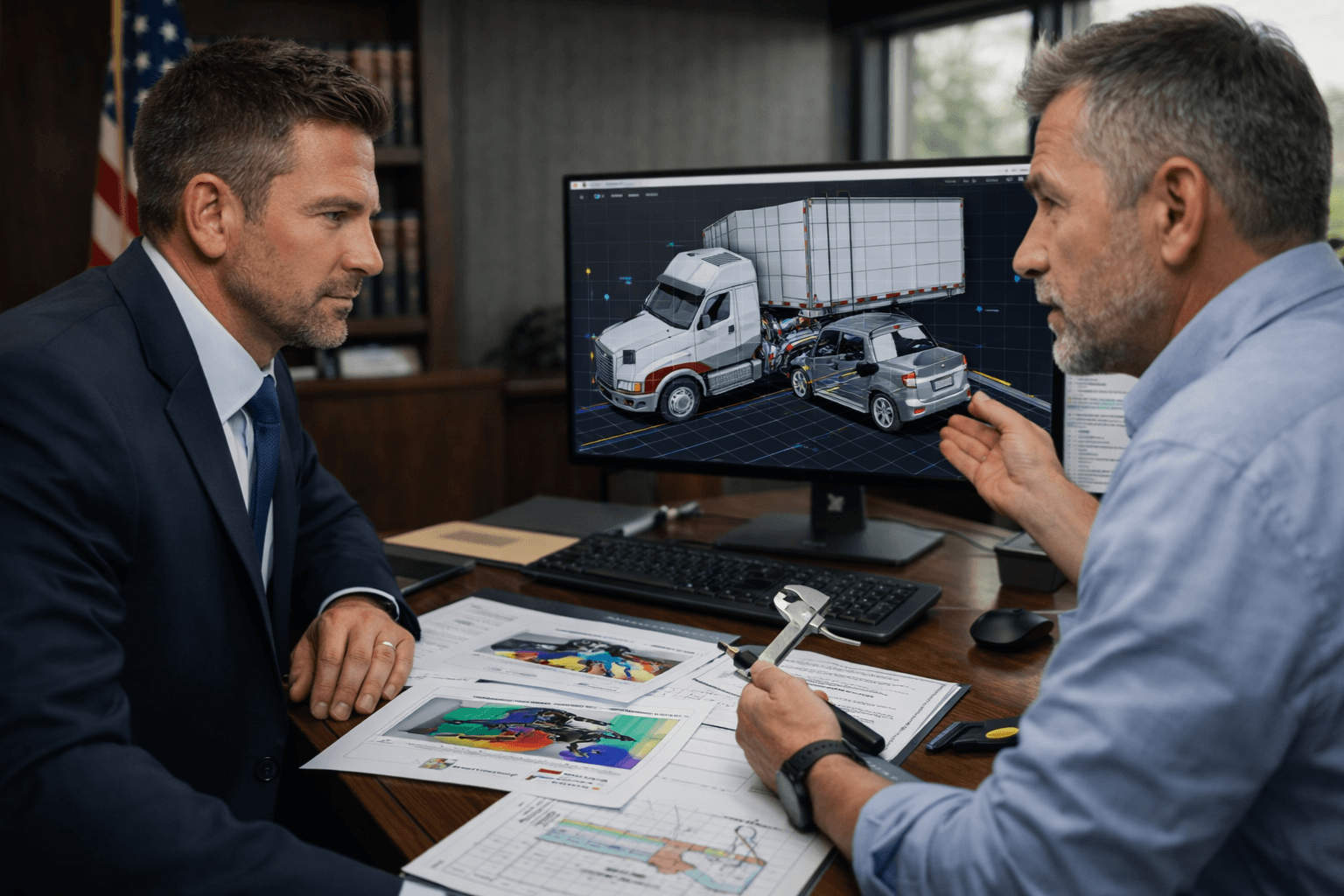
By studying these pillar guides, you can understand the full framework of trucking litigation. We analyze how electronic logging devices (ELD) and engine control modules (ECM) provide the 'black box' data necessary to prove fatigue or speed. Our mission is to provide the educational foundation necessary to move from uncertainty to a structured legal strategy.
Our research collection organizes truck accident content into pillar, service, and supporting guides. You will find step-by-step evidence preservation workflows, liability mapping tools, and coverage explanations for commercial trucking insurance. The objective is to provide a record-focused, litigation-ready understanding of how truck cases are built in the United States.
By studying these pillar guides, you can understand the full framework of trucking litigation. We analyze how electronic logging devices (ELD) and engine control modules (ECM) provide the 'black box' data necessary to prove fatigue or speed. Our mission is to provide the educational foundation necessary to move from uncertainty to a structured legal strategy.
Related Hubs & Tools
Use these supporting hubs to compare rules, documentation workflows, and adjacent claim topics.
Pillar Resources



Research Library














No results found for ""
Frequently Asked Questions
What federal rules apply to truck accident cases?
FMCSA regulations cover driver qualifications, hours of service (HOS), maintenance standards, and cargo securement. These rules often serve as the primary liability anchors in commercial crash litigation.
How are truck accident cases different from car accidents?
Truck cases typically involve multiple defendants (carrier, broker, shipper), higher insurance limits, and specialized evidence such as ELD logs and black box (ECM) data.
What evidence is most time-sensitive after a truck crash?
Electronic records, driver logs, onboard data, and maintenance files are critical. Without a prompt spoliation letter, this data can be overwritten or destroyed within weeks.
Who can be liable in a commercial truck crash?
Liability can extend to the truck driver, the motor carrier, the broker who arranged the load, the shipper, maintenance contractors, or even equipment manufacturers.