
Summary
A U.S. guide to bicycle accident police reports covering how to request a report, correct errors, and use it in liability and insurance analysis. Read our co...
Quick Legal Answer: What this guide covers
A U.S. guide to bicycle accident police reports covering how to request a report, correct errors, and use it in liability and insurance analysis. Read our co...
Quick Legal Answer: Core legal focus
This guide focuses on bicycle accident police report within bicycle accident guides and the evidence, timelines, and standards typically evaluated under U.S. law.
Quick Legal Answer: When to verify with counsel
Because statutes and rules vary by state, confirm the specifics for your jurisdiction with a qualified attorney or official government resources.
Key Takeaways
- Understand the core rules and evidence standards tied to bicycle accident police report.
- Track deadlines and procedural steps that shape recovery options.
- Document medical records, liability proof, and insurance communications early.
- Compare settlement posture with litigation risk based on the case record.
Bicycle Accident Police Report: How to Get It and Use It
Bicycle accident police report legal context
Bicycle accident police report liability map
Bicycle accident police report evidence focus
Bicycle accident police report settlement note
This guide explains how a bicycle accident police report supports liability analysis, insurance claims, and settlement valuation. It outlines how to request reports, correct errors, and preserve supporting evidence.
A police report is one of the most important documents in a bicycle accident claim. A bicycle accident police report request should be handled early, because the report records the officer’s observations, the parties involved, and the initial assessment of how the crash occurred. While a report is not the final word on liability, it is a core evidence source used by insurers and courts. This guide explains how to request a bicycle crash report, how to review it for accuracy, and how to use it in liability and damages analysis.
Start with a clear crash report request, then document any report correction needs before the file goes cold. The report is key liability evidence because the police report anchors the crash report and identifies the incident number, report narrative, and crash diagram. Insurers also focus on contributing factors, witness statements, medical records, any traffic citation issued, and the broader liability analysis that supports the insurance claim.
This overview explains how bicycle accident police report considerations shape evidence, liability, and recovery planning.
You will see what reports include, how insurers use them, and how to correct or supplement the record when it’s incomplete.
Not every bicycle crash generates a report. Some jurisdictions only respond to crashes with injuries or significant damage. If police do not respond, a self-report or alternative documentation may be necessary. Understanding your state’s reporting rules and records access process helps preserve critical evidence early.
Definitions and Core Concepts
Core Definitions
A crash report is the official police report documenting the incident and is often the primary liability record used by insurers. Party information refers to names, addresses, and insurance data needed for claim filing and verification. The diagram is the officer’s scene layout that can help reconstruct fault and movement. Contributing factors are the officer’s assessment of causes and can shape the initial liability analysis. A supplemental statement is an added narrative from a party that can correct, clarify, or expand the record.
What a Police Report Usually Includes
Police reports vary by state, but most contain the following elements:
- Identifying information for all parties and vehicles
- Date, time, and location of the crash
- Diagram of the roadway and bicycle position
- Weather and lighting conditions
- Officer’s narrative and initial fault assessment
- Citations or violations issued
- Witness names and contact information
Report Components and Claim Use
The narrative contains the officer’s observations and statements and provides liability context. The diagram shows the road layout and impact point and helps with reconstruction. Violations list cited traffic code sections and are used in fault analysis. The witness section provides names and contact information for independent corroboration.
Why the Police Report Matters in Bicycle Claims
Liability Foundation
Insurance adjusters rely on the report to identify the at-fault driver and any contributing factors. If the report lists a traffic violation or failure to yield, it strengthens a cyclist’s liability position. If the report suggests shared fault, it frames negotiations early.
Medical and Damages Context
Reports often document injury complaints at the scene. This can support the timing of symptoms and treatment decisions. While medical records carry more weight for damages, the report ties injuries to the crash event.
Preservation of Scene Details
Road conditions, signage, and lane markings are captured in the report. These details can become critical if there is a later dispute about right-of-way or bike lane use.
Who Is at Fault in Bicycle Accidents
The report often includes the officer’s initial fault assessment and any cited violations. Fault still depends on right-of-way rules and evidence beyond the report. A report that omits key facts can be supplemented with photos, witness statements, and video to clarify who was at fault.
Driver Negligence and Liability
Reports may document unsafe passing, failure to yield, dooring, or distracted driving. These observations can support negligence per se in many states. The stronger the narrative and citations, the more leverage the report provides in settlement negotiations.
Cyclist Rights Under Traffic Law
Cyclists generally have the same rights and duties as drivers. The report can document lane position, signaling, and right-of-way compliance. If the report misunderstands bicycle rights, a supplemental statement and evidence can correct the narrative.
Insurance Claims After Bicycle Accidents
Insurers use the police report as a baseline liability document. A detailed report can speed claim decisions and reduce disputes. When the report is missing or unfavorable, supplemental evidence becomes critical to avoid denial or reduced settlement offers.
Evidence Needed for a Claim
The report should be paired with photos, witness statements, and medical records to establish liability and damages. Video footage, bike damage documentation, and treatment timelines provide additional support. These records work together to build a defensible claim file.
Settlement and Compensation Examples
Compensation can include medical expenses, wage loss, future care, and pain and suffering. A report citing a driver for failure to yield often supports a higher settlement range than a report with no fault assessment. Coverage limits still cap recovery regardless of report strength.
Steps to Take After a Bicycle Accident
Call law enforcement, request a report number, and document the scene with photos. Collect witness contacts and identify nearby cameras. These steps improve report accuracy and preserve evidence if a correction is needed later.
When to Contact a Lawyer
Contact a lawyer early if the report is inaccurate, liability is disputed, or injuries are severe. Legal help is also important when a government entity may be involved, because notice deadlines can be short. Counsel can help submit corrections and preserve evidence.
What to Do at the Scene to Improve the Report
Provide Clear, Factual Information
Describe where you were positioned, the direction of travel, and any traffic signals. Avoid speculation about fault at the scene and focus on observable facts.
Identify Witnesses and Cameras
Ask the officer to include witness names and locations of nearby cameras. This helps preserve sources that might otherwise be missed.
Confirm Injury Complaints Are Recorded
If you are experiencing pain or dizziness, inform the officer so the report notes the symptoms. This connects injury timing to the crash.
Understanding Report Codes and Contributing Factors
Police reports often use numeric or coded fields for contributing factors, injury severity, and vehicle movements. These codes can influence how insurers interpret fault. If a code appears inconsistent with the narrative, request clarification or submit a supplemental statement.
Common Report Coding Topics
- Unsafe passing or failure to yield
- Improper door opening
- Lane position or improper turn
- Lighting and visibility conditions
How Insurers Use the Report
Insurers typically treat the report as a baseline liability document. They compare it with photos, medical records, and witness statements. If the report is unfavorable, they may deny or reduce claims unless the claimant provides strong contradictory evidence.
Privacy, Redaction, and Access Rules
Access to crash reports can be limited by state privacy laws. Some reports are redacted to remove personal information, and some jurisdictions limit access to parties involved and insurers. Knowing the access rules helps set expectations about what details can be obtained.
Related Records Beyond the Report
In addition to the crash report, some agencies maintain 911 call logs, dispatch (CAD) records, and body-worn camera footage. These records can clarify timing, statements made at the scene, or officer observations not fully captured in the report narrative. Requests for these records often have separate procedures and retention timelines.
Because retention periods can be short, early requests are important. Some agencies purge audio or video data within weeks or months, so delays can make recovery impossible even when the report remains available.
How to Request a Bicycle Crash Report
Step 1: Identify the Responding Agency
Determine whether the report was filed by city police, county sheriff, state patrol, or another agency.
Step 2: Gather Required Information
Most agencies require the crash date, location, involved names, and report or incident number.
Step 3: Submit the Request
Many agencies use online portals. Others require a written request or in-person visit.
Step 4: Pay Any Fees
Report access often requires a small fee, which varies by state and agency.
Step 5: Confirm Delivery and Format
Reports may be provided as PDF files or mailed copies. Verify that diagrams and supplements are included.
Step 6: Follow Up if the Report Is Delayed
If the report is not available within the expected window, contact the records division and confirm the report number. Some agencies wait for officer approval before release, and follow-up requests can speed delivery.
When Police Do Not Respond
Some jurisdictions do not respond to property-only bicycle crashes. If that happens:
- File a self-report if your state allows it.
- Document the scene with photos and measurements.
- Collect witness statements and contact information.
- Request traffic camera footage or nearby surveillance.
Alternatives When Police Do Not Respond
If there is no police response, a self-report or online crash form can create an official record of the incident. For minor injuries, medical records and photos can serve as damages proof. When liability is disputed, independent witness statements provide neutral evidence to balance the claim file.
Reviewing a Police Report for Accuracy
Common Errors to Watch For
- Incorrect location or time
- Misidentified parties or vehicles
- Missing witnesses
- Diagram inconsistencies
- Incorrect statements about injuries or helmet use
How to Request Corrections
If an error is identified, follow agency procedures. Some allow formal corrections; others accept a supplemental statement. Attach supporting evidence such as photos, medical records, or witness declarations.
Evidence Preservation Section
Evidence Checklist
- Police report and incident number
- Scene photos and roadway measurements
- Witness statements and contact info
- Medical records and treatment timeline
- Bicycle damage photos and repair estimates
Preservation Timing Guidance
Witness recollection fades quickly, so collect statements promptly. Camera footage is at very high risk of being overwritten and should be requested quickly. Road conditions can change, so photograph them the same day. Bike damage should be documented before any repair work begins.
Step-by-Step Police Report Workflow
Step 1: Call Law Enforcement
Request a report and ensure the officer records all parties and witnesses.
Step 2: Ask for the Report Number
Get the incident or report number before leaving the scene.
Step 3: Request the Report
Use the agency’s portal or records office once the report is available.
Step 4: Review for Accuracy
Compare the report to your photos, notes, and medical records.
Step 5: Submit a Correction if Needed
Provide a supplemental statement with supporting evidence.
Step 6: Use the Report in Your Claim File
Include the report in your demand package and liability analysis.
Insurance Coverage Layers
Coverage Checklist
- At-fault driver liability policy
- Cyclist UM/UIM coverage
- MedPay or health insurance
- Homeowners or renters coverage in limited situations
Settlement Valuation Section
Valuation Inputs
- Liability clarity from report findings
- Injury documentation and treatment timelines
- Witness corroboration of crash details
- Insurance limits and coverage layers
Valuation Impact Factors
When the report is detailed and accurate, liability is clearer and negotiation leverage improves. When the report contains limited detail, disputes are more likely and leverage becomes mixed. When the report has errors or omissions, fault is harder to establish and leverage can drop.
Police Report vs. Other Evidence
The police report is the baseline liability document and often carries significant weight with insurers. Medical records are essential for damages and causation. Photos and video support scene reconstruction and help resolve disputes about right-of-way or visibility. Witnesses provide independent confirmation when facts are contested.
Checklist Box: Police Report Readiness
- Report number obtained at the scene
- Report requested from correct agency
- Diagram and narrative reviewed
- Errors documented with supporting proof
- Report included in claim file
Internal Navigation: Related Bicycle Accident Guides
- For the pillar guide, see bicycle accident lawyer guide.
- For right-of-way disputes, read cyclist right-of-way laws.
- For hit-and-run steps, see hit-and-run bicycle accident.
- For insurance timeline guidance, visit insurance claim guide.
- For filing deadlines, see statute of limitations guide.
- Return to bicycle accident resources.
Frequently Asked Questions
Can I get the report the same day?
Some agencies release reports quickly, but many require processing time before release. Larger agencies often need supervisor approval before release, which can take days or weeks. If you need a report quickly for insurance purposes, ask the records division about expedited options.
What if the officer did not take a statement from me?
You can submit a supplemental statement with your account and supporting evidence. Include photos, witness statements, or medical records that support your version of events. Even if the report is not formally changed, the supplemental statement can influence insurers and liability analysis.
Will a traffic citation establish liability?
No. Citations are persuasive but not determinative of civil liability. A citation can support negligence, but courts and insurers still evaluate all evidence. If a citation is missing or issued to the cyclist, a strong evidence file can still establish liability.
Can I access the other party’s insurance information in the report?
Many reports list insurance data, but access rules vary by state privacy laws. Some jurisdictions redact policy numbers or limit access to involved parties. If the report does not include insurance details, you may need to request them directly from the other party or their insurer.
What if the report says I was at fault?
You can challenge the report with evidence, witness statements, and supplemental documentation. Photos of lane markings, video footage, and witness accounts can rebut inaccuracies. A corrected or supplemented record often improves negotiation leverage and can change liability assessments.
Do I need the report for a property damage claim?
It helps, but insurers may proceed with photos and estimates if no report exists. A report strengthens the record and can speed property damage decisions, but clear photos, repair estimates, and witness statements can still support a claim when a report is unavailable.
Source Box (Official .gov/State References)
- NHTSA Bicycle Safety: https://www.nhtsa.gov/road-safety/bicycle-safety
- USA.gov State Transportation Portal: https://www.usa.gov/state-transportation
- FHWA Bicycle and Pedestrian Program: https://www.fhwa.dot.gov/environment/bicycle_pedestrian/
- State Courts Directory: https://www.usa.gov/state-courts
Related Resources
For broader context, review the Bicycle Accidents hub.
Related Guides
- Average Bicycle Accident Settlement
- Bicycle Accident Insurance Claim Guide
- Bicycle Accident Lawyer Near Me: How to Choose the Right Firm
Pillar guide: Bicycle Accident Lawyer: Dooring, Right-of-Way, and Helmet Laws
Helpful Tool
Use the Bicycle Accident Checklist Google Sheets to organize documentation, expenses, and insurance claim records while applying this guide.
More Bicycle Accidents Guides
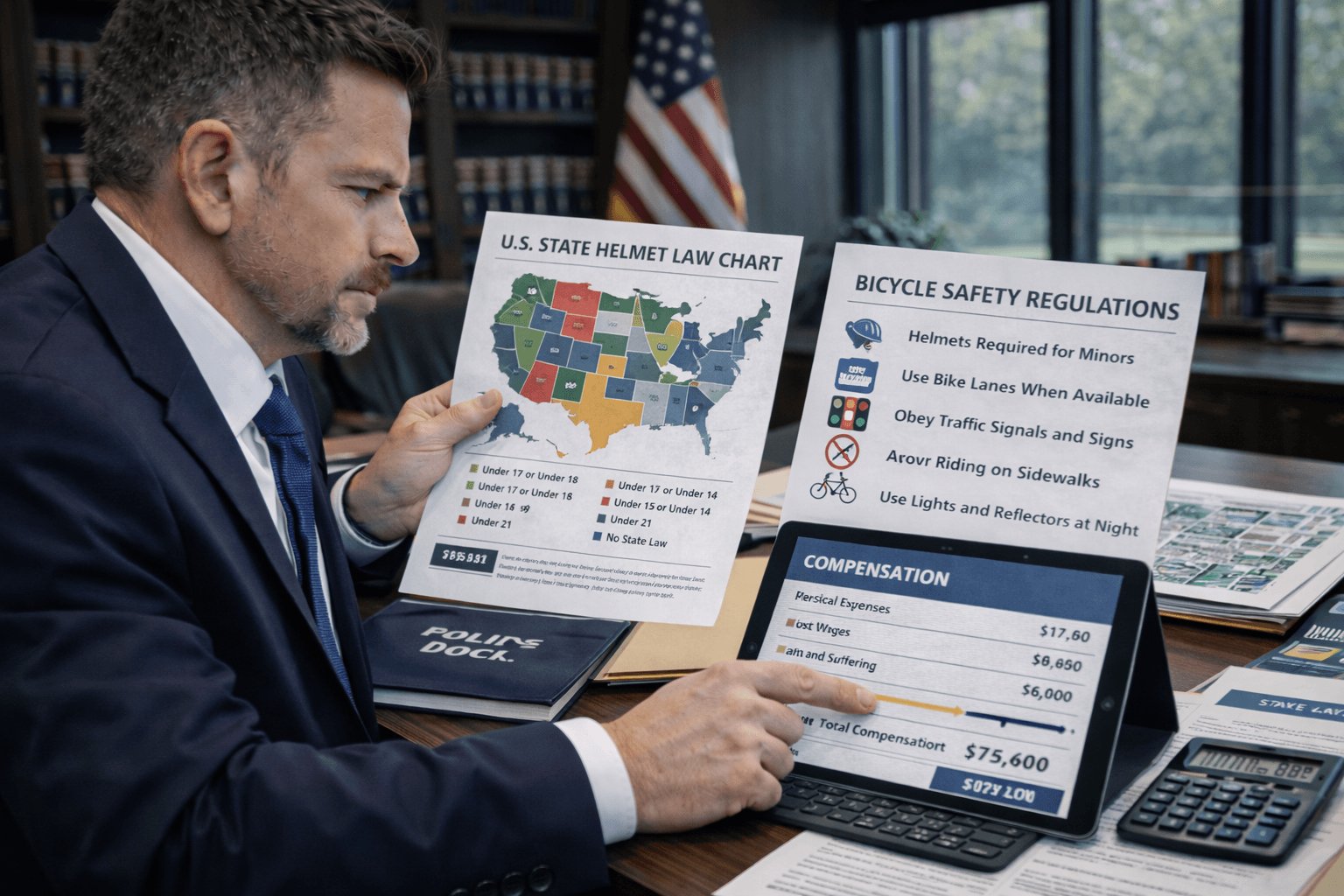
Bicycle Helmet Laws by State
A state-by-state overview of bicycle helmet laws, including age requirements, enforcement rules, and claim impact considerations. Read our comprehensive and ...
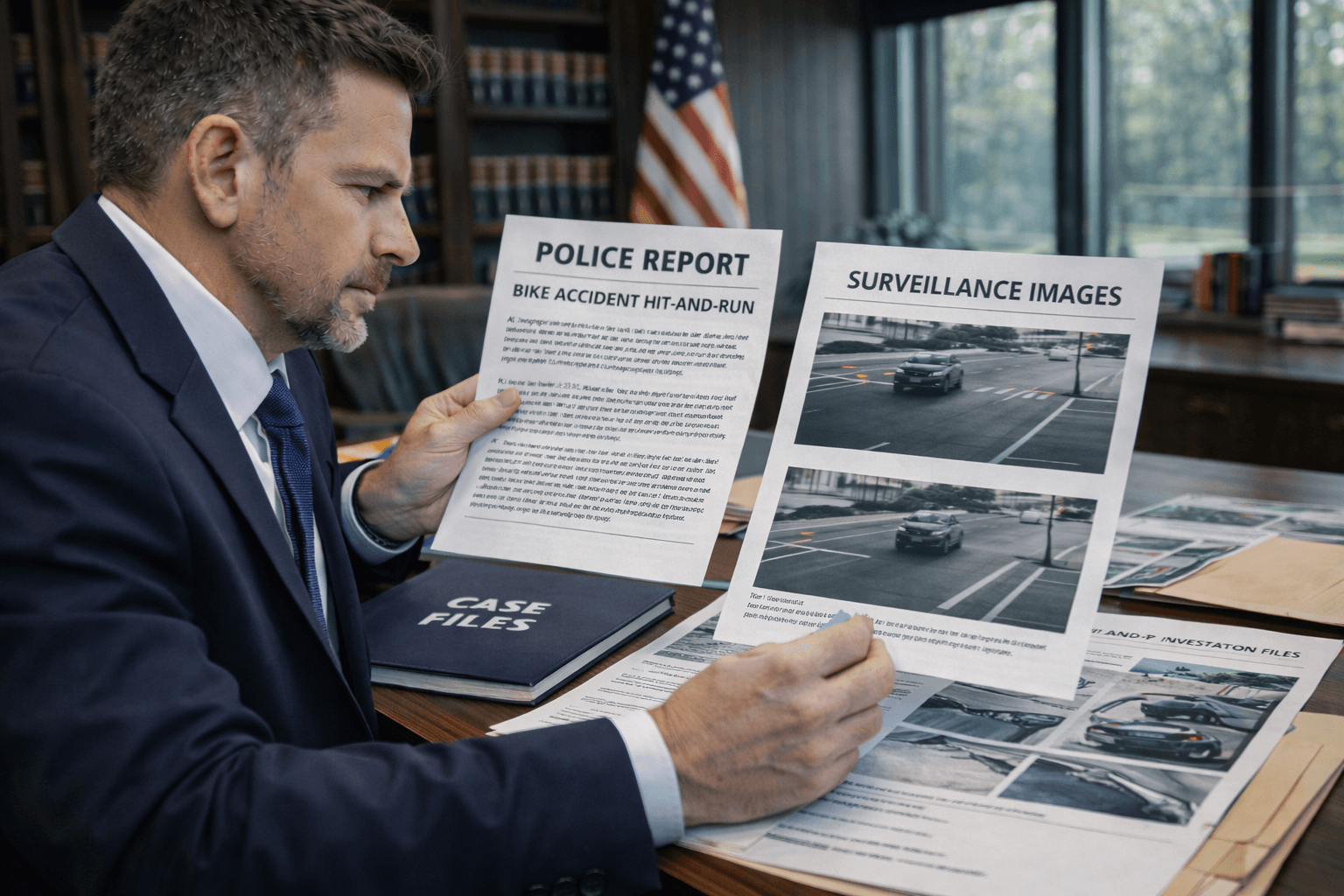
Hit-and-Run Bicycle Accident
Essential guide to hit-and-run bicycle crashes, including evidence preservation, UM/UIM coverage, and claim timelines. Learn how to recover even when the dri...
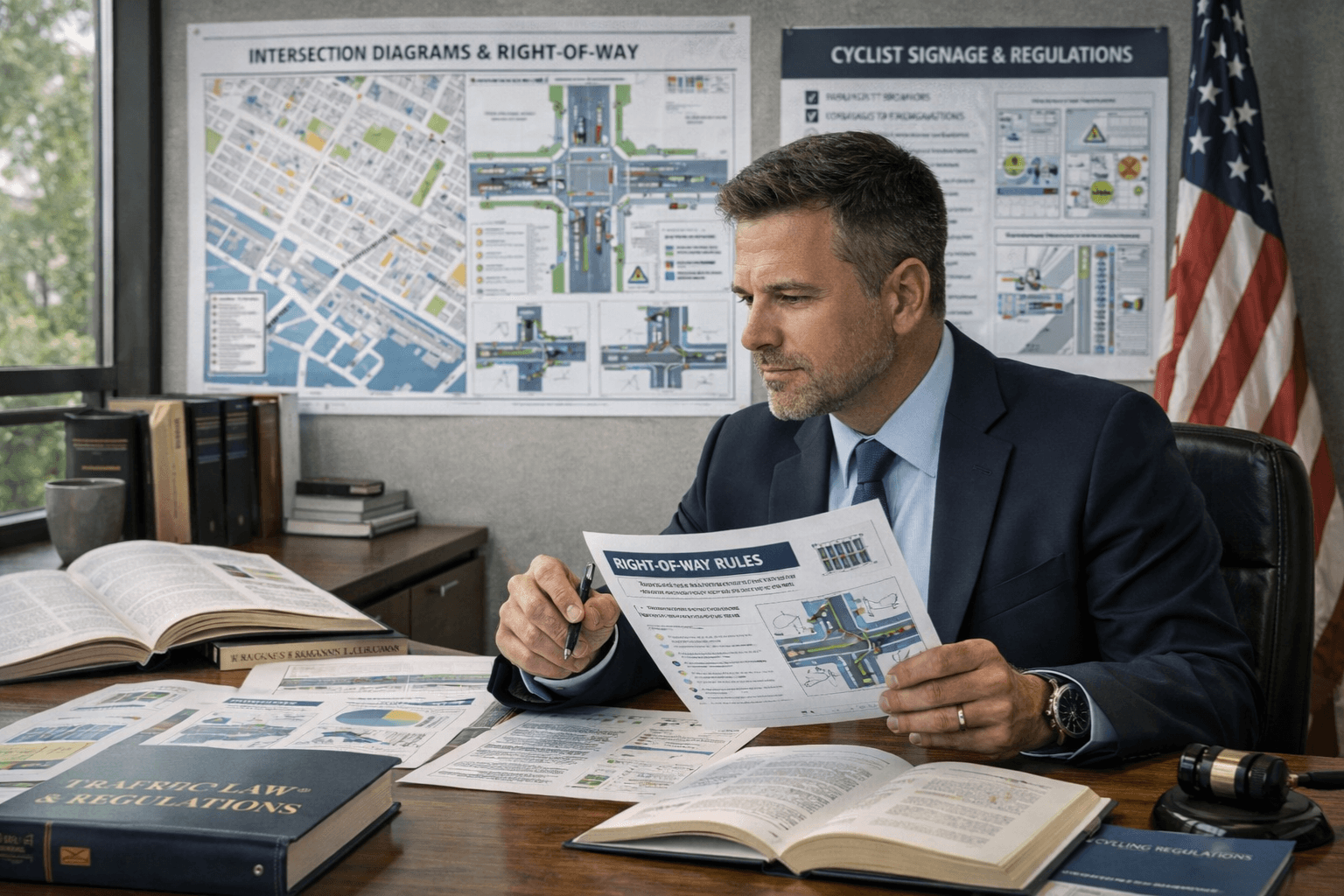
Cyclist Right-of-Way Laws
A guide to cyclist right-of-way laws, including intersection rules, lane use, evidence preservation, and liability analysis. Read our comprehensive and exper...
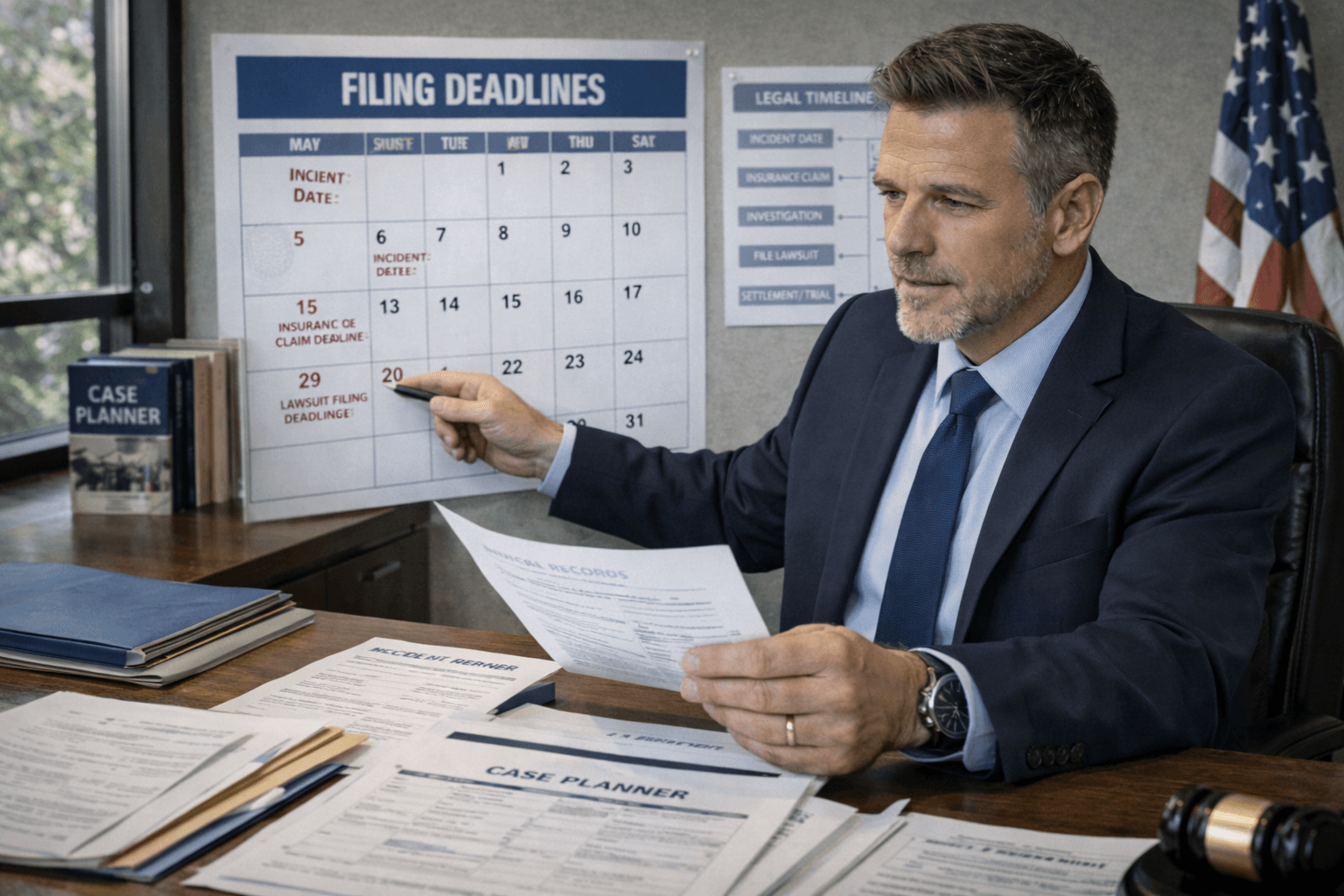
Bicycle Accident Statute of Limitations: Deadlines and Exceptions
A U.S. legal guide to bicycle accident filing deadlines covering personal injury and wrongful death timelines, tolling rules, and government notice requireme...
Food Delivery Bicycle Accidents: Liability and Insurance Layers
A U.S. legal guide to food delivery bicycle accidents covering platform liability, driver status, insurance coverage layers, and evidence preservation.
Electric Bike Accident Lawyer
A guide to electric bike accidents, including e-bike classifications, right-of-way rules, evidence preservation, and settlement strategy. Read our comprehens...
Related Documentation Tools
View all toolsThese free spreadsheets help organize evidence, deadlines, and claim documentation for this topic.
Bicycle Accident Settlement Estimator Google Sheets
Estimate negotiable case value and keep damages evidence aligned with Settlement Calculator and Medical Expenses before you share records with an insurer or attorney.
Bicycle Accident Insurance Claim Tracker Google Sheets
Estimate negotiable case value and keep damages evidence aligned with Accident Overview and Claim Tracker before you share records with an insurer or attorney.
Bicycle Accident Checklist Google Sheets
Build a timestamped evidence file that keeps facts consistent with 1 Accident Overview and 2 Driver Information before you share records with an insurer or attorney.
Bicycle Injury Documentation Tracker Google Sheets
Maintain a structured accident record from incident day through claim resolution with Accident Overview and Injury Log before you share records with an insurer or attorney.