Summary
A practical guide to obtaining a car accident police report, correcting errors, and using the report in settlement negotiations or litigation. Read our compr...
Quick Legal Answer: What this guide covers
A practical guide to obtaining a car accident police report, correcting errors, and using the report in settlement negotiations or litigation. Read our compr...
Quick Legal Answer: Core legal focus
This guide focuses on car accident police report guide within car accident guides and the evidence, timelines, and standards typically evaluated under U.S. law.
Quick Legal Answer: When to verify with counsel
Because statutes and rules vary by state, confirm the specifics for your jurisdiction with a qualified attorney or official government resources.
Key Takeaways
- Understand the core rules and evidence standards tied to car accident police report guide.
- Track deadlines and procedural steps that shape recovery options.
- Document medical records, liability proof, and insurance communications early.
- Compare settlement posture with litigation risk based on the case record.
Car Accident Police Report: How to Get It and Use It in a Claim
car accident police report guide
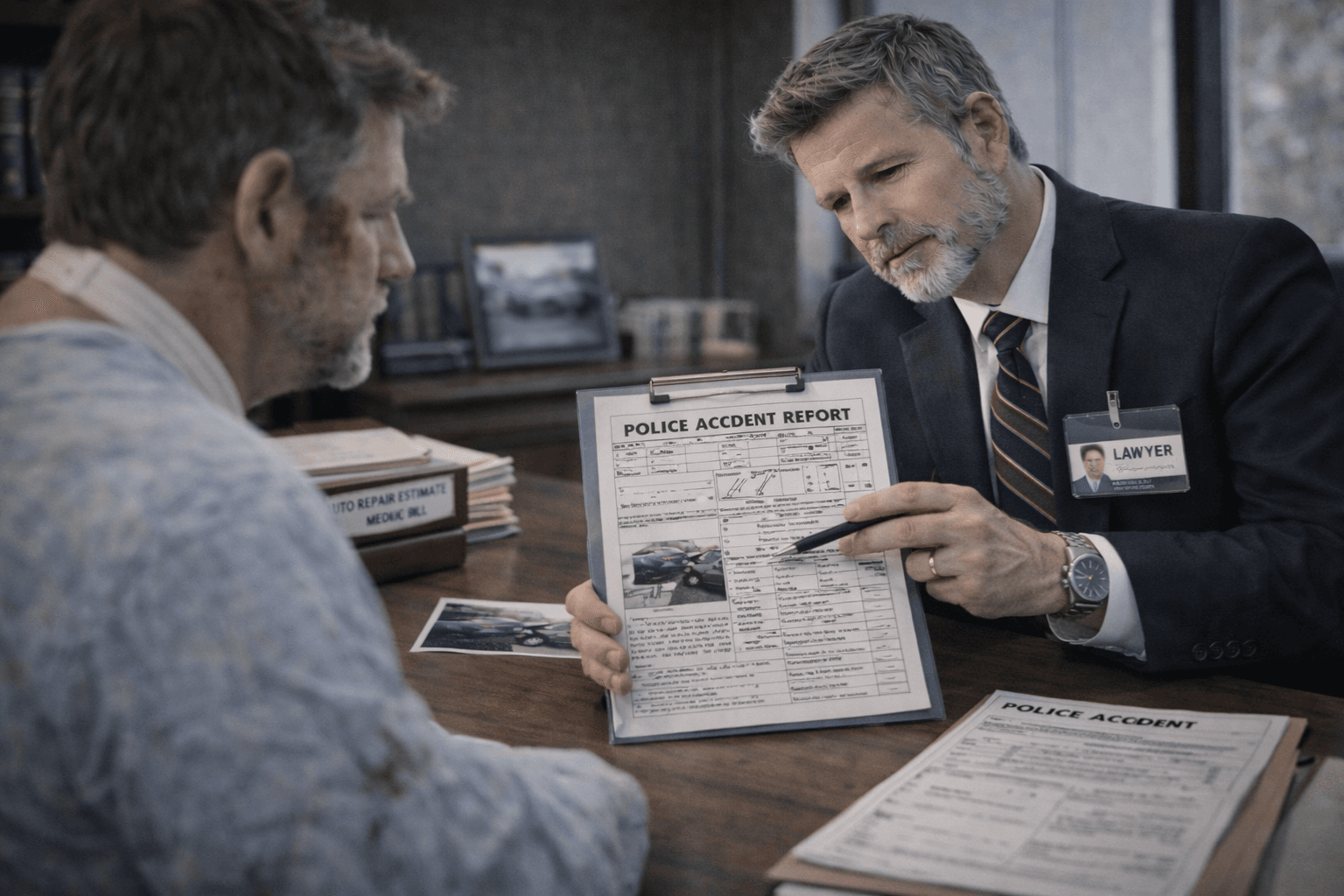
A police report is often the most important neutral record in a car accident claim. car accident police report guide is a practical framework for using the crash report to support liability analysis, evidence preservation, and settlement negotiation. The report documents the date, time, parties, initial observations, and any citations issued at the scene. This guide explains how to obtain the report, complete a report correction, and use the record for evidence use in a car accident settlement or auto accident claim. A clean report supports collision liability, personal injury damages, and a documented pain and suffering claim, while protecting medical bills recovery and lost wages claim. It also helps spot insurance bad faith issues, apply comparative fault rules, and build a stronger demand package within policy limits.
This overview explains how car accident police report guide considerations shape evidence, liability, and recovery planning.
While a police report does not decide legal fault by itself, it is a foundational piece of evidence. Insurers rely on it to assess liability and determine how to value a claim. Understanding how to read the report and address inaccuracies can significantly affect outcomes.
For clarity, this guide uses the terms crash report, accident report, law enforcement report, and incident report interchangeably. It also covers the report number, reporting agency, supplemental report process, report correction steps, evidence use in liability analysis, and how the narrative section, diagram, citations, and witness statements influence an insurance adjuster during settlement negotiation and the broader litigation timeline. These details support evidence preservation and a clean claim packet.
Definitions and Key Terms
Key Definitions
- Crash report: The official law enforcement record that provides primary liability evidence.
- Citation: A ticket for a violation that supports breach of duty analysis.
- Diagram: The officer sketch of the crash that helps reconstruct the event.
- Supplemental report: A follow-up correction or addition that fixes errors or adds details.
- Reporting agency: The police or highway patrol office that serves as the source for report requests.
What Is in a Police Report?
Police reports usually include:
- Date, time, and location of the crash
- Driver and vehicle information
- Witness names and contact information
- Officer observations and crash diagram
- Citations and suspected violations
- Weather and road conditions
How Police Reports Are Structured
Most reports include standardized sections. Understanding the structure helps you locate key facts quickly.
Common Sections
- Identifying information (drivers, vehicles, insurance)
- Narrative description of the crash
- Diagram or crash sketch
- Contributing factors or violations
- Witness list and contact details
How to Read the Narrative and Diagram
The narrative explains the officer’s observations and party statements. The diagram shows vehicle positions, directions, and impact points. If the diagram conflicts with photos, collect evidence and request clarification.
Diagram Review Checklist
- Confirm vehicle directions and lane positions
- Check for correct impact points
- Compare diagram to photos or video
- Verify traffic control devices shown
Report Codes and Abbreviations
Many agencies use abbreviations or codes for violations and contributing factors. Ask the reporting agency for a code legend if the report is unclear.
Common Examples
- Unsafe following distance
- Failure to yield
- Improper lane change
- Distracted driving
Online Portals and Request Options
Some agencies use online portals for report requests. Others require in-person or mail requests. If an online portal is used, ensure you download a complete version with diagrams and supplemental pages.
If the Report Is Delayed
Delays are common when agencies have backlogs. If the report is delayed, document your request date and follow up. Keep a record of all communications with the agency.
Delay Management Checklist
- Save the report request confirmation
- Follow up within two weeks if no response
- Request an estimated availability date
- Keep copies of all emails or letters
Requests for 911 Calls and Body Cam Footage
Some cases involve 911 recordings or body camera footage. These records can provide additional context but may require separate public records requests.
Additional Records to Consider
- 911 call recordings or transcripts
- Dispatch logs
- Body camera video
- Traffic camera footage (if available)
Using the Report in Litigation
The report can be used to support liability arguments, but its admissibility depends on state evidence rules. If the report includes hearsay statements, a court may limit how it is used. Even if not fully admissible, the report can guide discovery and deposition questions.
Building a Complete Evidence File
The report should be the foundation, not the entire file. Combine it with photos, medical records, and repair documents to build a complete claim packet.
Evidence File Checklist
- Police report and any supplements
- Photos of the scene and vehicles
- Medical records and billing summaries
- Wage loss documentation
- Repair estimates and towing invoices
When No Report Is Created
In some jurisdictions, minor crashes are handled without an officer report. If so, use an online self-report system when available and build your evidence file with photos, repair estimates, and medical documentation.
Evidence Weight: How Insurers Use the Report
Insurers often treat the report as a neutral summary, especially for liability assessment. They still evaluate the claim using medical records and physical evidence, but a clear report can reduce disputes.
Correction Checklist: What to Provide
- Photos showing vehicle positions
- Witness statements or contact details
- Medical records confirming injury timing
- Repair estimates that match reported damage
- Written timeline of events
Privacy and Access Considerations
Reports may have redactions for privacy reasons, especially when minors are involved. If you need a full copy for litigation, your attorney can request it under court procedures.
Common Myths About Police Reports
Myth: The report ensures a settlement
The Reality refers to the report is only one part of the evidence and does not determine damages.
Myth: You cannot challenge the report
The Reality refers to you can request corrections and provide supplemental evidence.
Myth: No report means no claim
The Reality refers to claims can proceed without a report when other evidence is strong.
How to Get the Police Report
Step 1: Identify the Reporting Agency
The responding agency may be city police, county sheriff, or highway patrol. Determine which agency responded to your crash.
Step 2: Obtain the Report Number
If you have the report number, the request process is faster. You can often get the number from the officer or the agency’s records desk.
Step 3: Request the Report
Many agencies provide online request portals or in-person records offices. Expect a small fee in most jurisdictions.
Step 4: Confirm Accuracy
Review the report for errors in names, locations, or crash sequence. Errors can be corrected through a supplemental report process.
Step 5: Keep a Clean Copy for Your File
Save the report and any corrections as part of your evidence packet.
Evidence Uses in a Claim or Lawsuit
Liability Analysis
The report’s narrative and citations help establish duty and breach. A citation for unsafe following distance or failure to yield can strengthen liability arguments.
Causation Support
The diagram and crash sequence can help connect injury claims to the mechanics of the collision.
Negotiation Leverage
Insurers often rely on the report when deciding whether to accept or reject liability. A clear report can speed negotiations.
How to Correct Errors in the Report
Common Errors
- Incorrect location or lane direction
- Misspelled names or wrong vehicle details
- Incomplete witness information
- Misstated crash sequence
Correction Steps
Contact the reporting agency and ask about their correction procedure. Provide written documentation, such as photos or witness statements. Request a supplemental report or an addendum. Obtain a copy of the corrected report for your file.
When a Report Is Critical
Disputed fault makes the report high importance because it establishes neutral facts. Minor property damage only typically makes the report moderately important because it documents the crash sequence. Injury claims make the report highly important because it supports causation and liability. Hit-and-run cases make the report highly important because it documents initial evidence. Multi-vehicle collisions make the report highly important because it clarifies sequence and parties.
Checklist: Police Report Request Packet
- Report number (if available)
- Date, time, and location of the crash
- Full names of involved parties
- Driver license numbers (if requested)
- Payment method for records fee
Using the Report with Other Evidence
Pairing Evidence for Stronger Claims
- Use photos to confirm the report’s diagram
- Use medical records to link injuries to the report’s timeline
- Use witness statements to confirm the sequence of events
When the Report Is Incomplete
If the report lacks details, supplement your file with additional evidence. Photos, videos, and medical records can fill gaps.
Common Questions About Police Reports
Can I file a claim without a police report?
Yes, but the lack of a report can make liability harder to prove. Use other documentation to support your claim.
What if the officer did not come to the scene?
Some jurisdictions allow online or phone reports for minor crashes. Request that report for your records.
Does a citation establish liability?
No. A citation is strong evidence but not a legal determination of fault.
Internal Navigation: Related Car Accident Guides
- For evidence strategy, see the settlement value and evidence guide.
- If fault is disputed, review when a lawsuit is appropriate.
- For rear-end cases, read rear-end fault and evidence.
- If you need a hiring checklist, use the lawyer selection guide.
- For claim timing, see the claim timeline overview.
- Return to the car accidents hub.
Source Box (Official .gov References)
- National Highway Traffic Safety Administration: https://www.nhtsa.gov
- U.S. Department of Transportation: https://www.transportation.gov
- U.S. Courts: https://www.uscourts.gov
- USA.gov public records guidance: https://www.usa.gov
Related Resources
For broader context, review the Car Accidents hub.
Related Guides
- Auto Accident Lawyer: What They Do and When You Need One
- Average Car Accident Settlement in the U.S.
- Car Accident Attorney Near Me: Questions to Ask Before You Sign
Pillar guide: Car Accident Lawyer: How to Choose the Right One (2026)
Helpful Tool
Use the Car Accident Police Report Tracker Google Sheets to organize documentation, expenses, and insurance claim records while applying this guide.
More Car Accidents Guides
Rental Car Accident Lawyer Guide
A guide to rental car accident claims, including liability layers, insurance coverage options, and evidence requirements. Read our comprehensive and expert l...
Left-Turn Accident Fault
A legal guide to left-turn accident fault, covering right-of-way rules, evidence priorities, and liability analysis for intersection crashes. Read our compre...
Car Accident Claim Timeline
A complete timeline of a car accident claim, from immediate steps and evidence preservation to settlement or lawsuit milestones. Read our comprehensive and e...
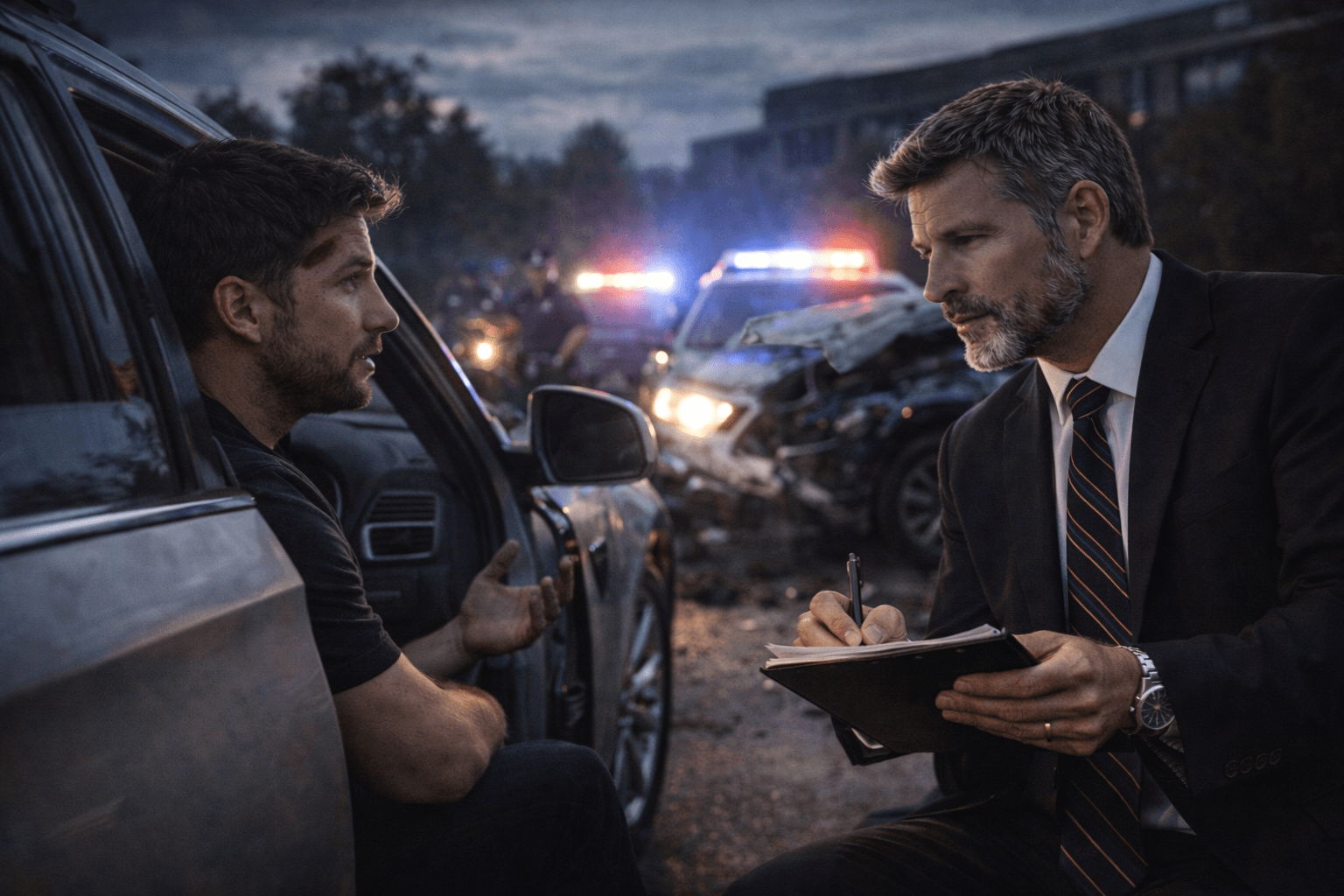
Car Accident Lawyer: Settlement Guide & Injury Claim Timeline
Car Accident Lawyer settlement guide covering U.S. liability, evidence, insurance, damages, and injury claim timeline strategy. Read our comprehensive and ex...
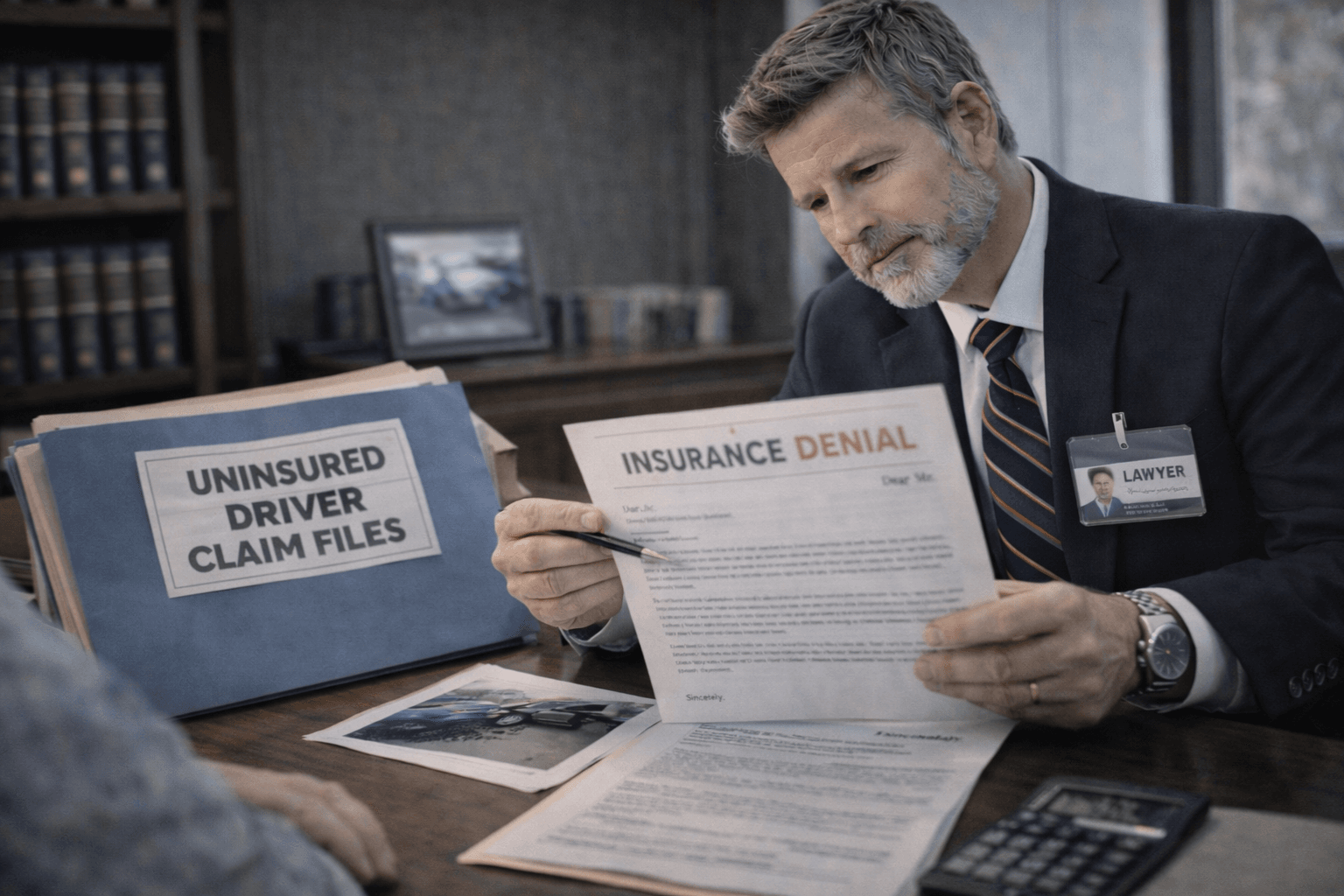
Uninsured Motorist Claim After a Car Accident
A step-by-step guide to uninsured motorist (UM) claims after a car accident, including coverage rules, evidence, and timing. Read our comprehensive and exper...
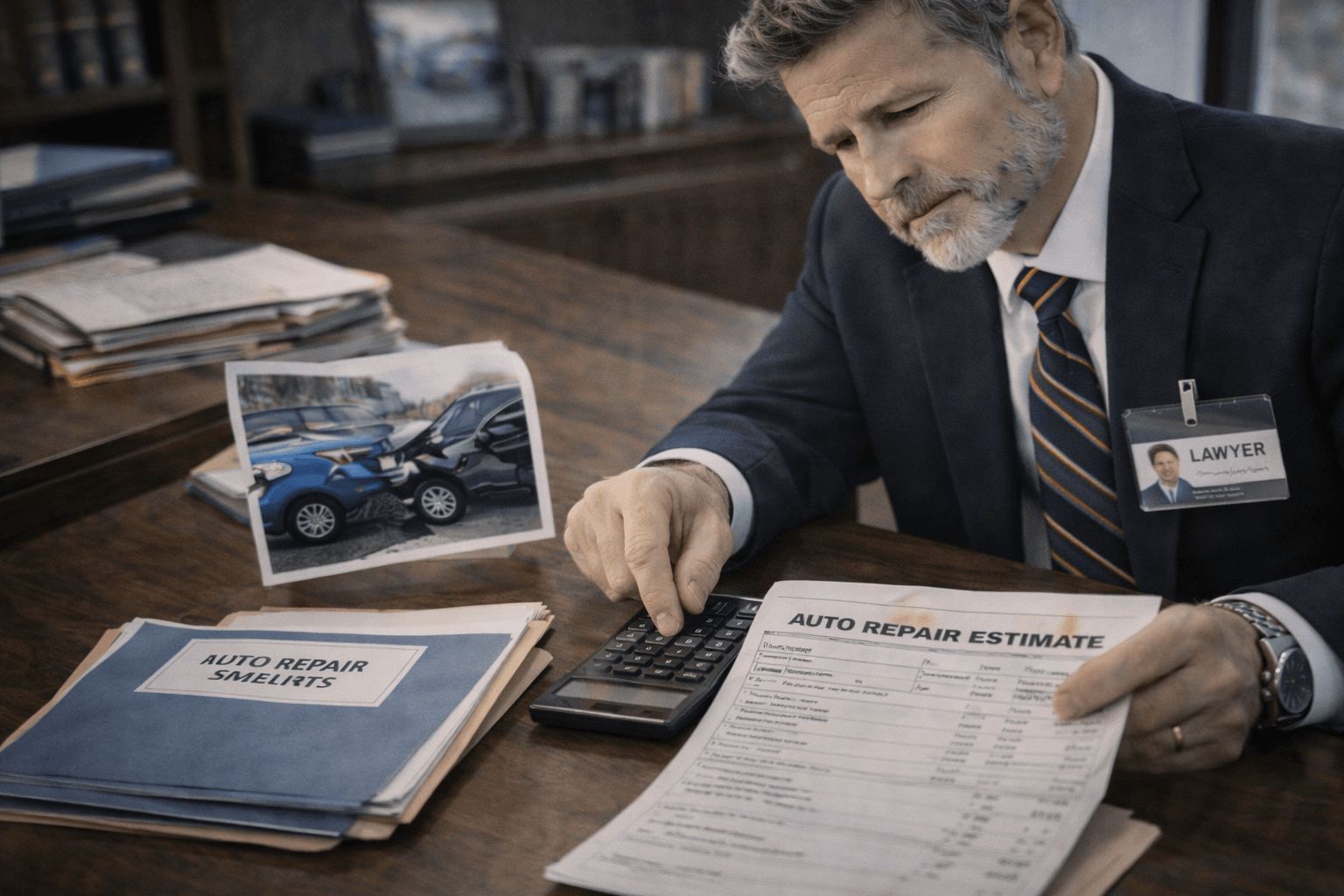
Rear-End Collision Settlement
A guide to rear-end collision settlement value, including liability assumptions, evidence strength, and damage documentation. Read our comprehensive and expe...
Related Documentation Tools
View all toolsThese free spreadsheets help organize evidence, deadlines, and claim documentation for this topic.
Car Accident Settlement Calculator Google Sheets
Estimate negotiable case value and keep damages evidence aligned with Settlement Calculator and Economic Damages before you share records with an insurer or attorney.
Car Accident Checklist Google Sheets
Build a timestamped evidence file that keeps facts consistent with Accident Overview and Driver Information before you share records with an insurer or attorney.
Car Accident Police Report Tracker Google Sheets
Build a timestamped evidence file that keeps facts consistent with Accident Overview and Police Report Log before you share records with an insurer or attorney.
Insurance Claim Tracker Google Sheets
Estimate negotiable case value and keep damages evidence aligned with Claim Overview and Claim Timeline before you share records with an insurer or attorney.